Study section
Creator Notes
Design-facing studies of systems that invite collaboration, interpretation, and revision.
 Creator Notes
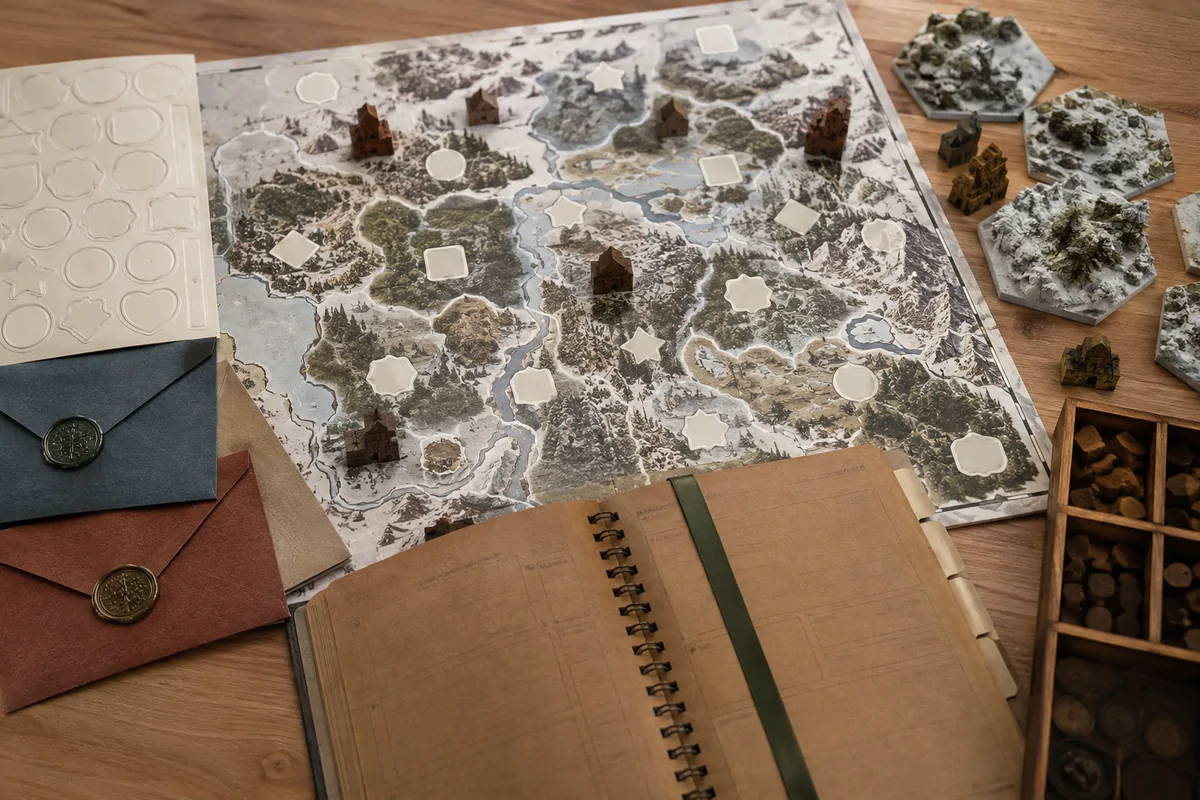
Frosthaven: Campaign State as a Record of Consequences
Frosthaven treats campaign play as a persistent record: the table carries forward choices through maps, cards, stickers, and scenario outcomes.
 Creator Notes
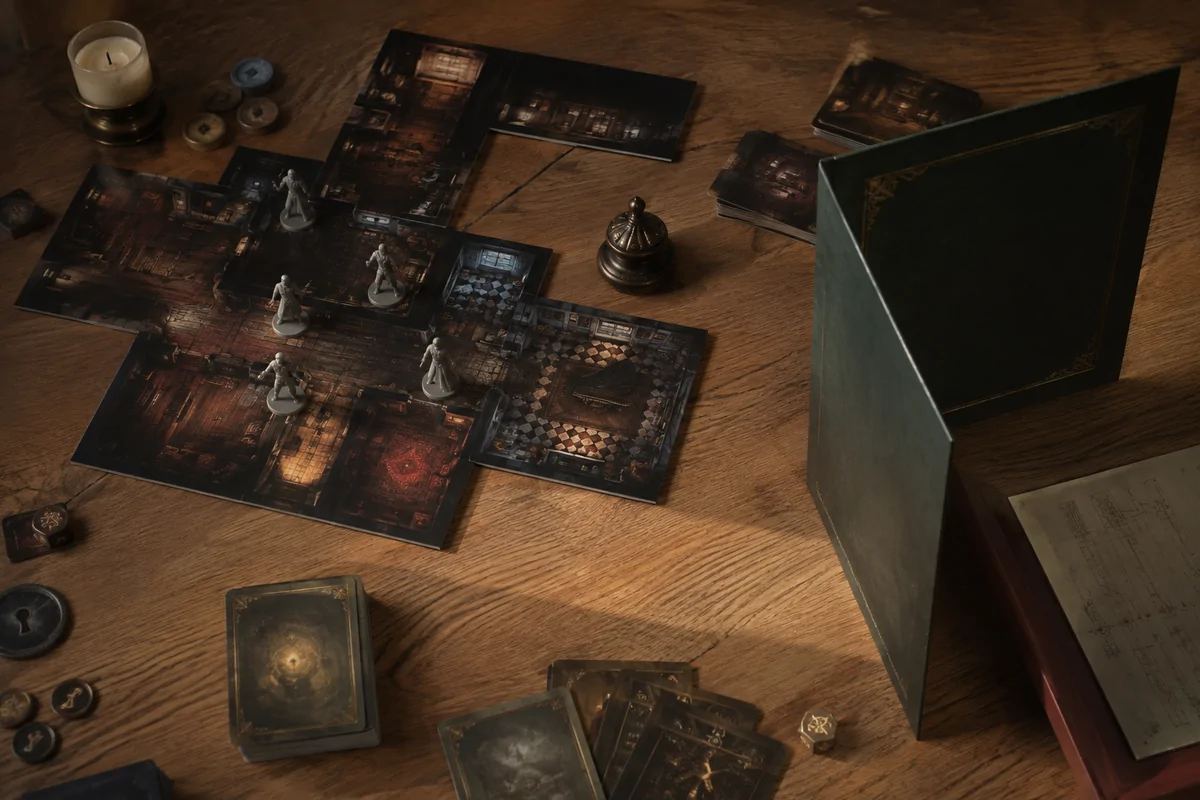
Betrayal at House on the Hill: Designing the Haunt Transition
Betrayal changes a house exploration game into an asymmetrical scenario, making the moment of transition a lesson in how rules can reframe a table.
 Creator Notes
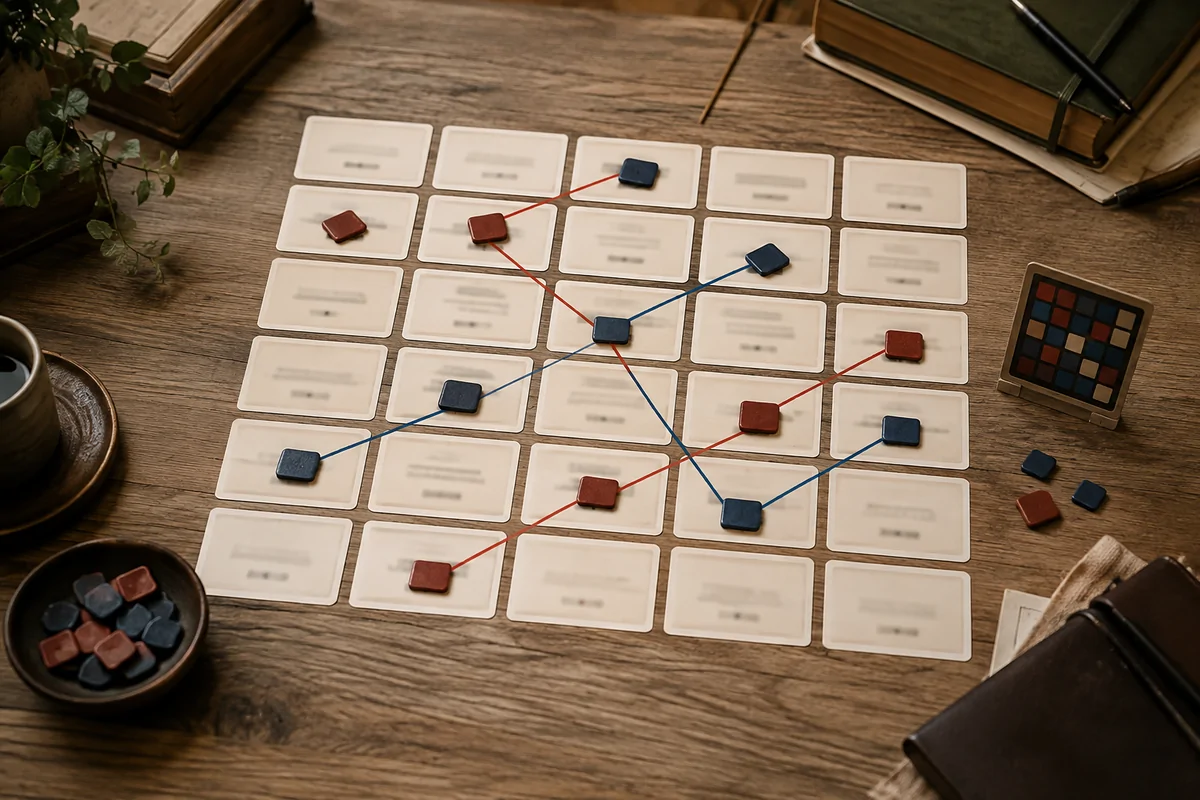
Codenames: A Clue Is a Bridge Between Private and Public Maps
Codenames asks a clue giver to connect words without saying too much, turning shared language into a calibrated design material.
 Creator Notes
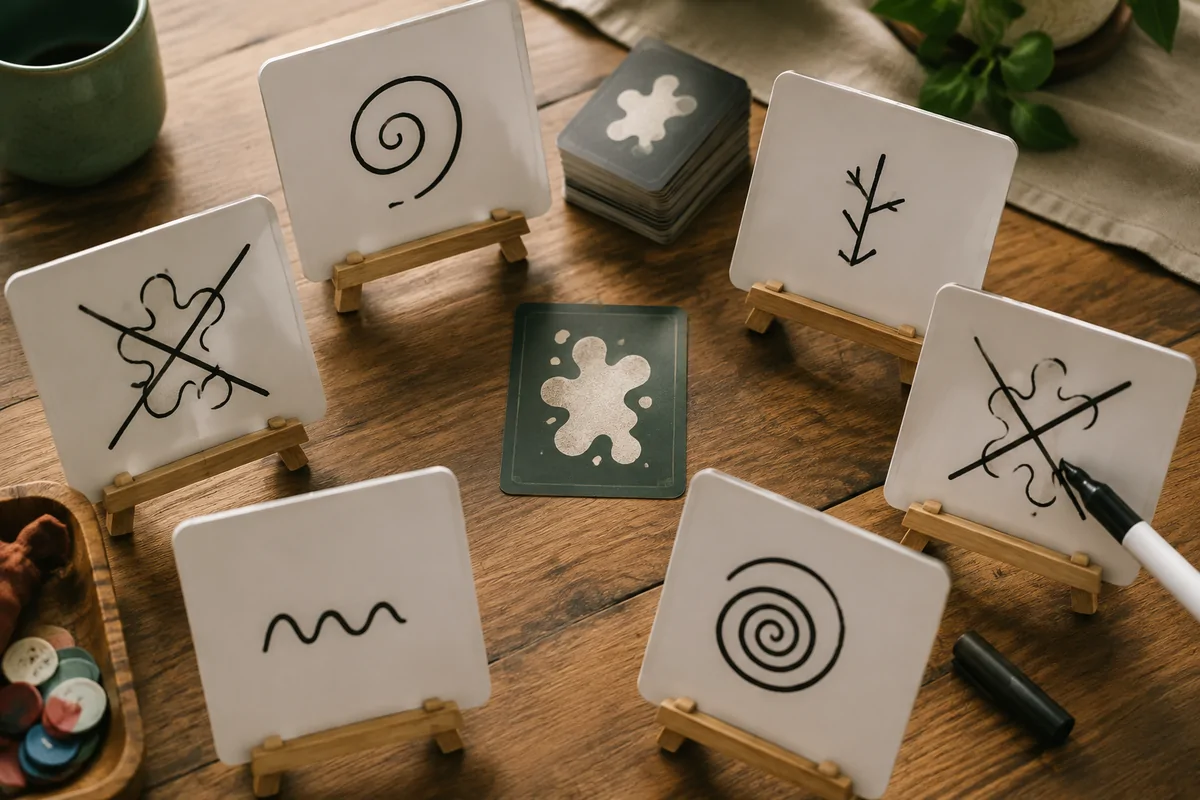
Just One: The Erased Clue and Useful Redundancy
Just One makes redundant clues disappear, teaching a quiet lesson about how a small constraint can improve group attention.
 Creator Notes
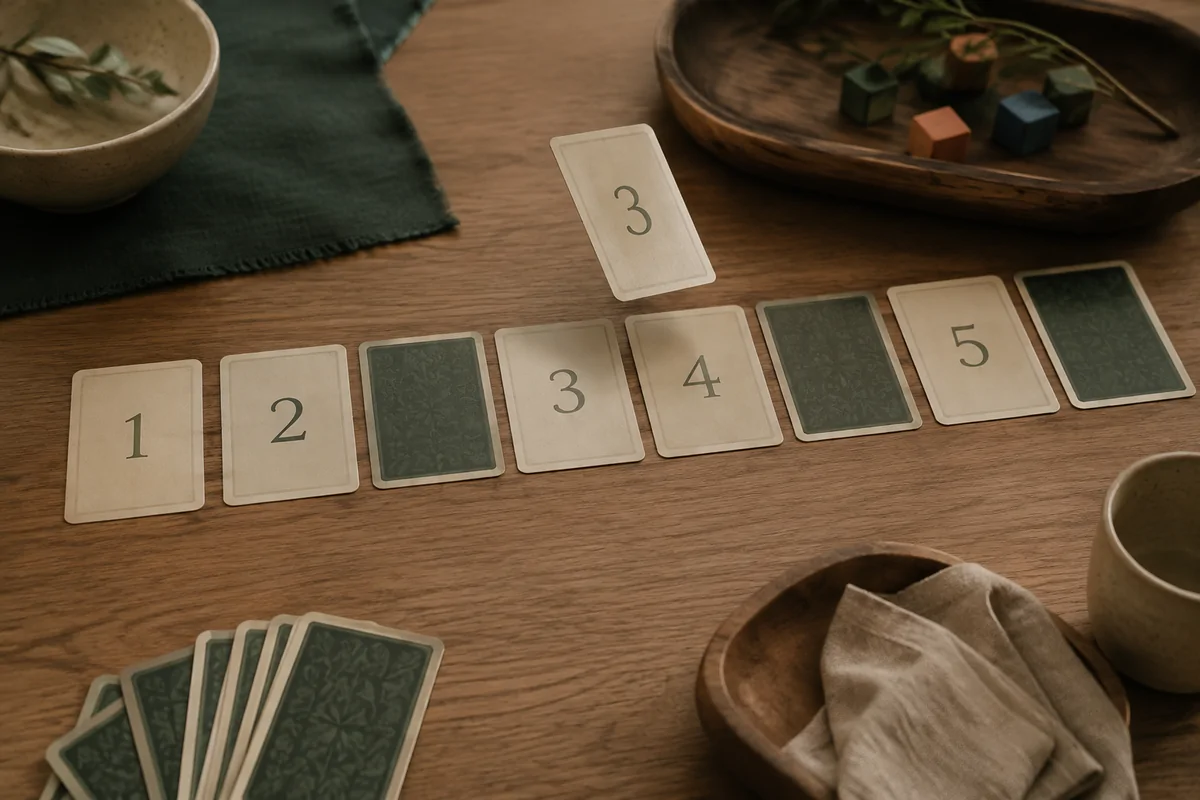
The Mind: Timing Without Speech
The Mind removes ordinary discussion at the decisive moment, leaving tempo, hesitation, and collective confidence as the playable material.
 Creator Notes
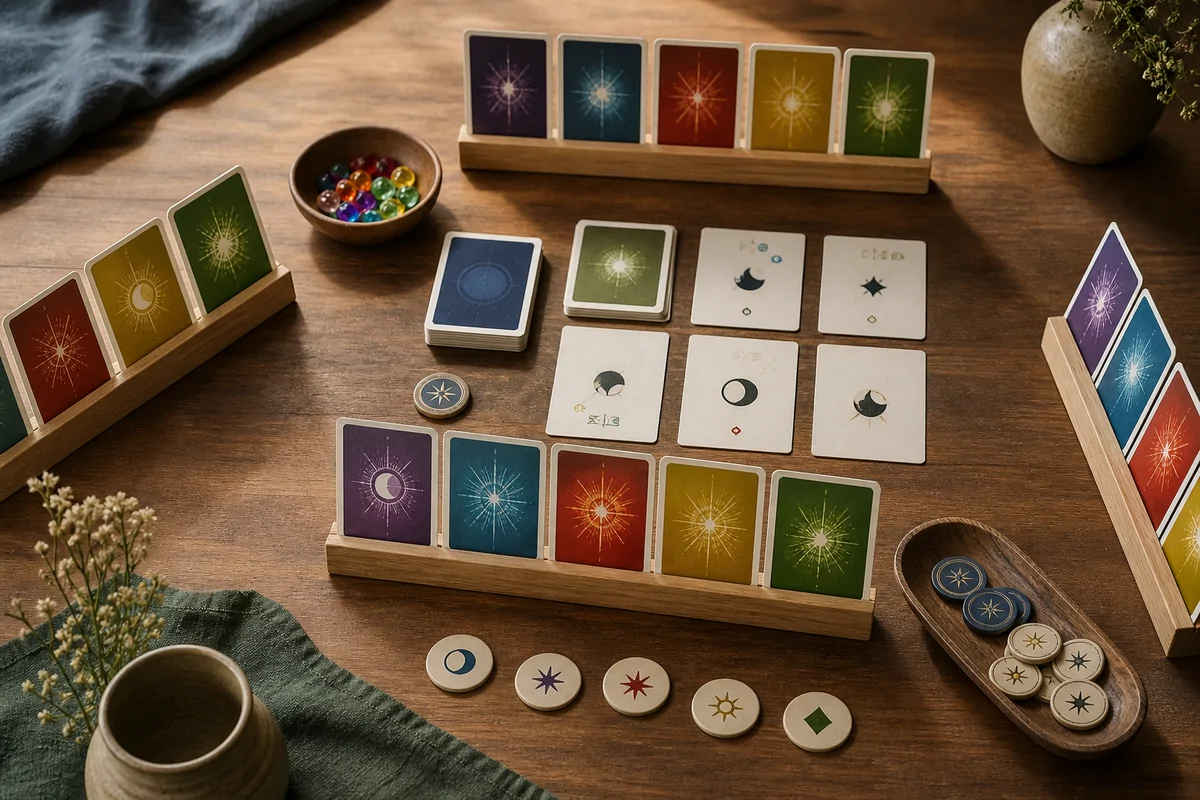
Hanabi: Information with Restraint
Hanabi asks players to give each other partial information about cards held facing outward, making communication itself the game’s scarce resource.
 Creator Notes
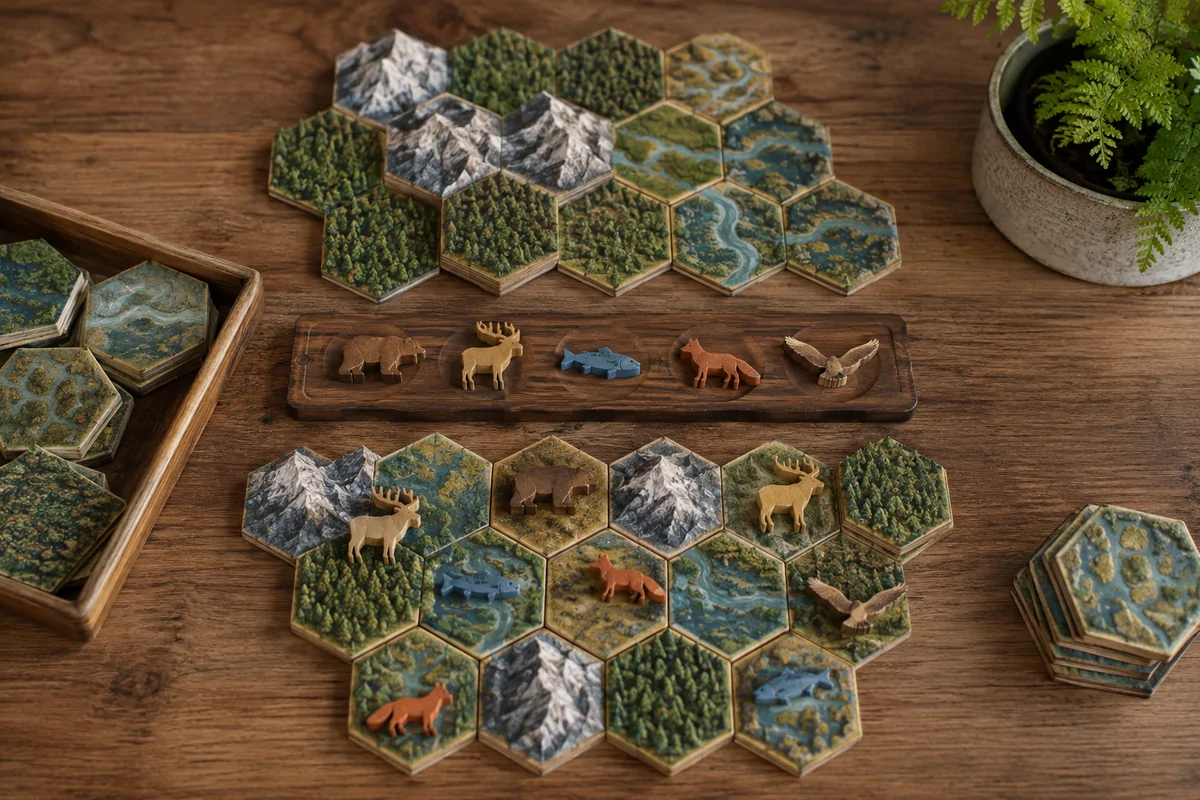
Cascadia: Habitat Puzzles with a Shared Draft
Cascadia pairs tile placement with wildlife patterns, using a shared draft to connect an individual spatial puzzle to the choices of other players.
 Creator Notes
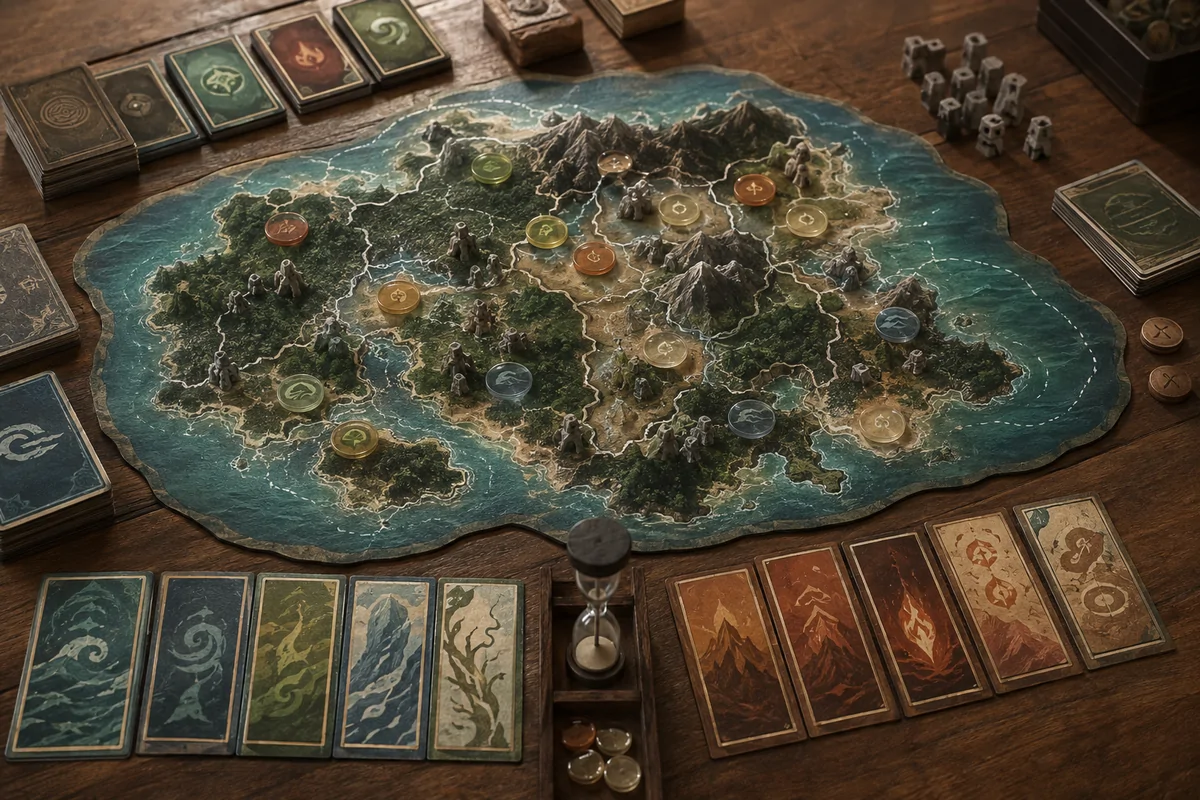
Spirit Island: Slow Powers and Deliberate Coordination
Spirit Island divides powers by speed, inviting a group to coordinate what must happen now and what can be prepared for the next turn.
 Creator Notes
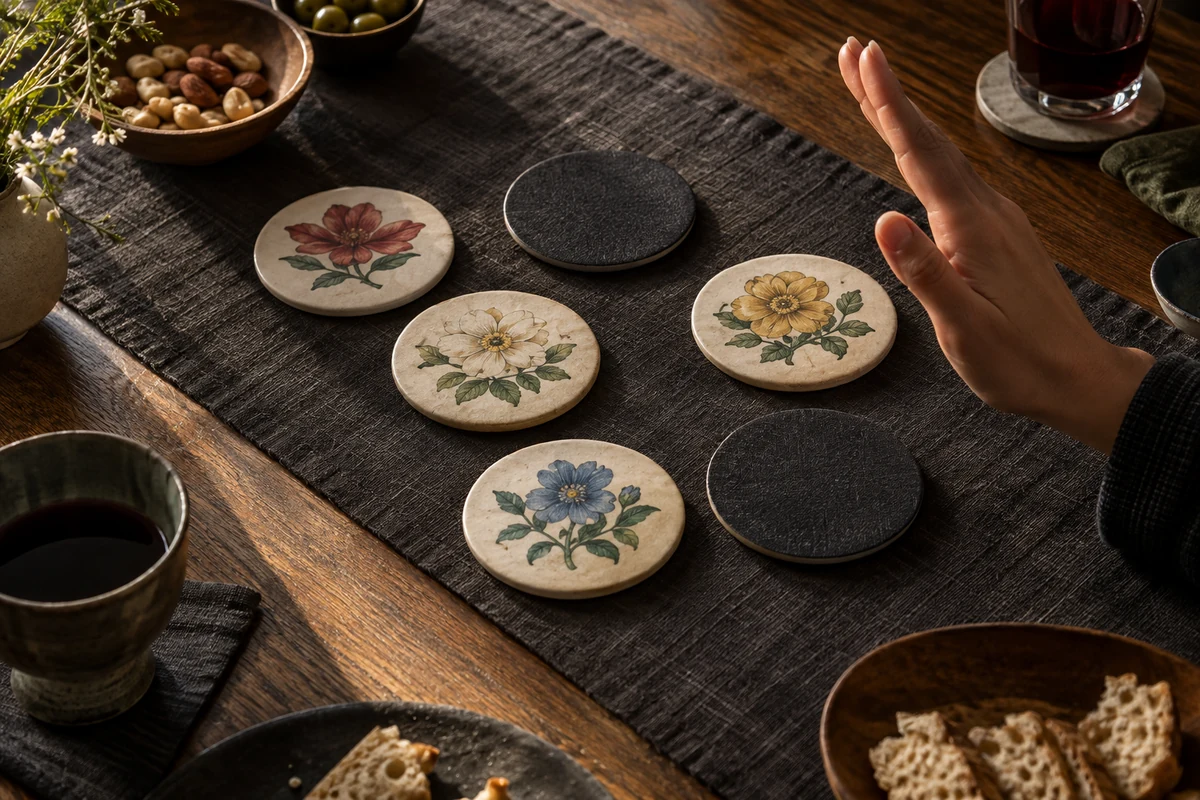
Skull: The Bid Hidden Inside a Flower
Skull places an uncertain bluff inside plain-faced discs, making a player’s public bid depend on objects whose backs reveal almost nothing.
 Creator Notes
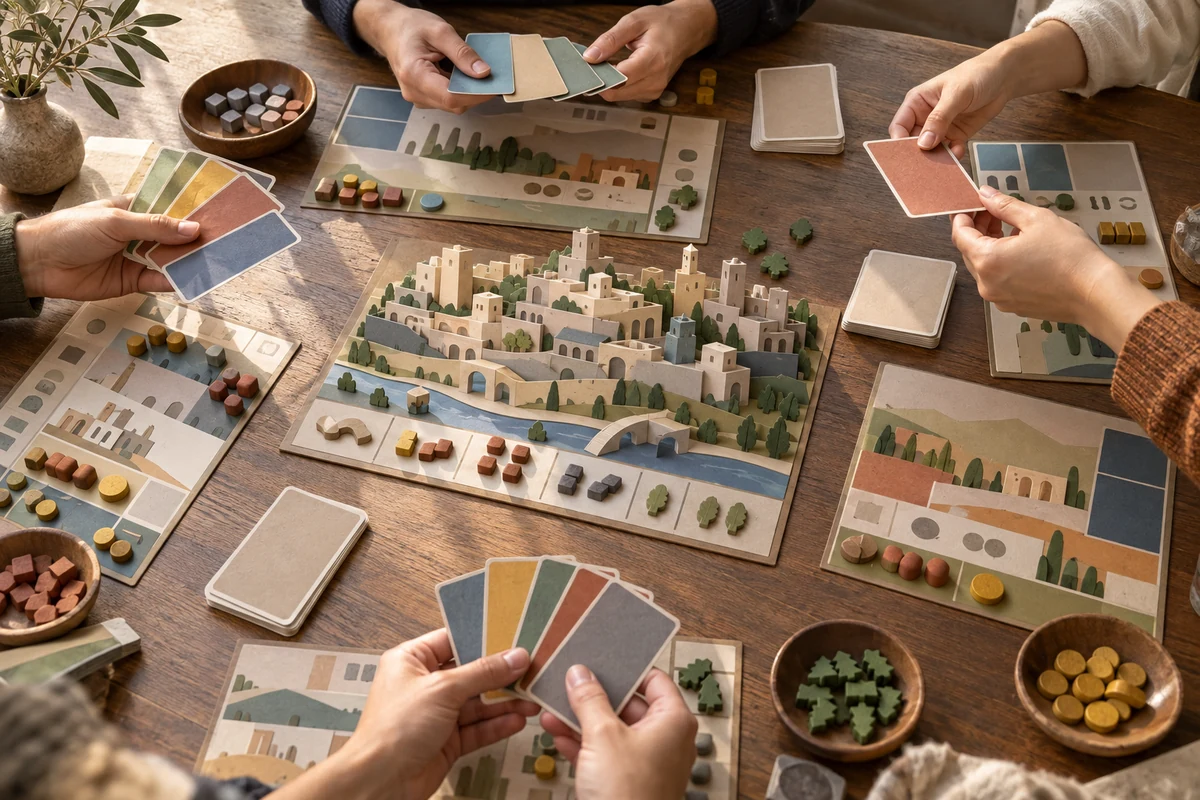
7 Wonders: Designing a Draft That Moves in Parallel
7 Wonders uses simultaneous card selection and passing hands to make a multi-player civilization game move at a shared pace.