Study section
Material Culture
Boards, tiles, cards, counters, and the physical decisions that shape play.
 Material Culture
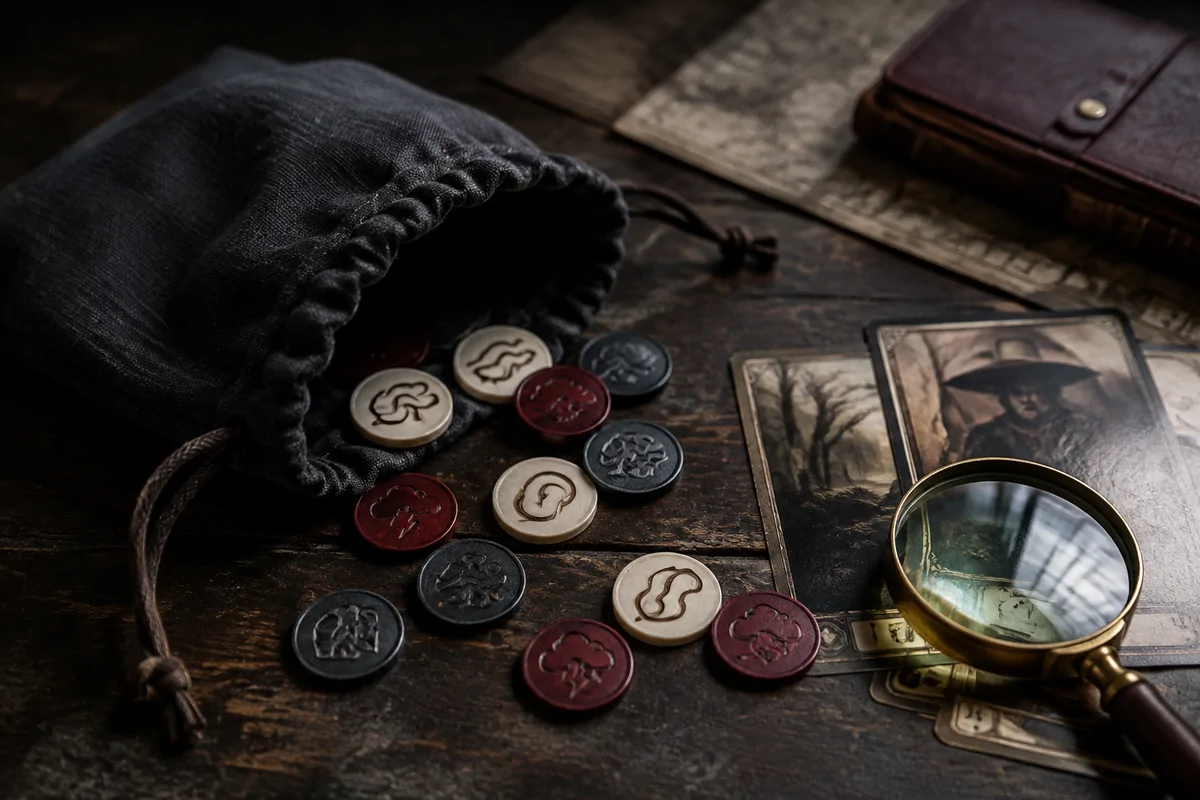
Arkham Horror: The Chaos Bag as a Portable Weather System
Arkham Horror uses a physical bag of tokens to keep uncertainty present at the table, making difficulty feel like a changing local climate.
 Material Culture
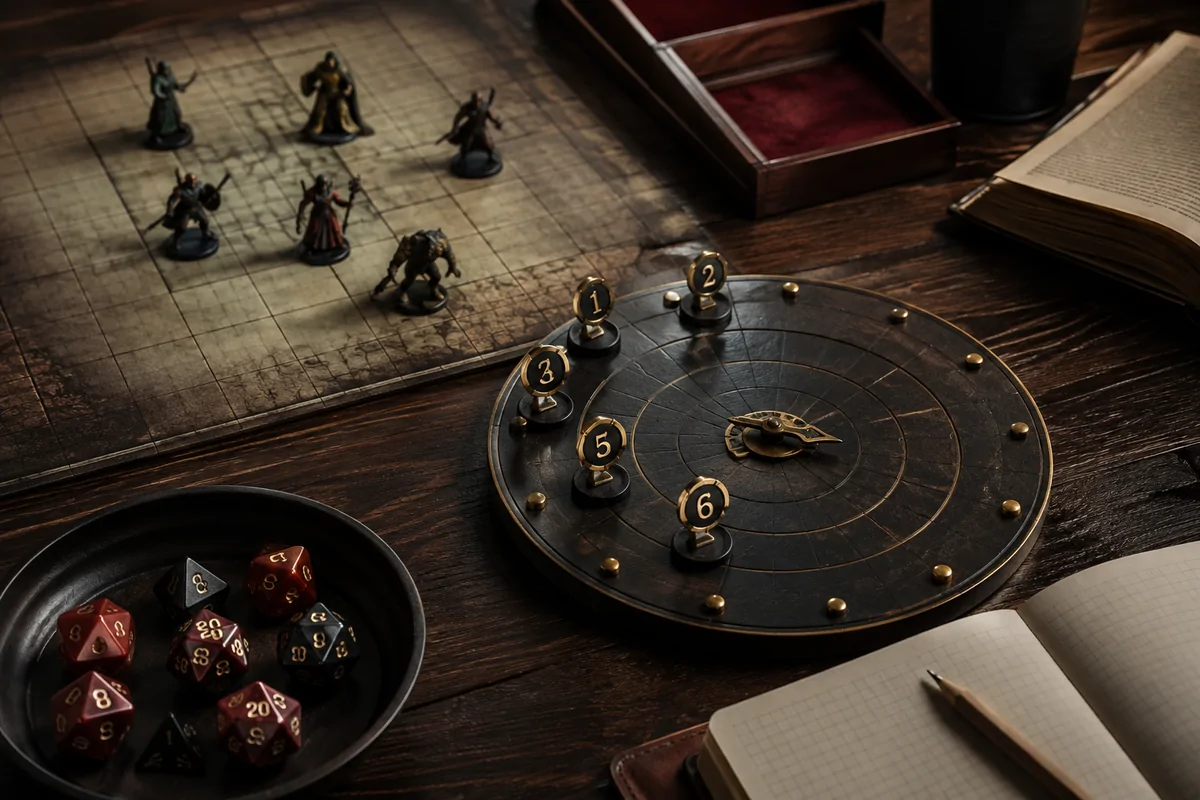
Dungeons & Dragons: The Turn as a Social Clock
A Dungeons & Dragons combat turn is more than a rule unit: it is a social clock that gives each player a moment to declare intent.
 Material Culture
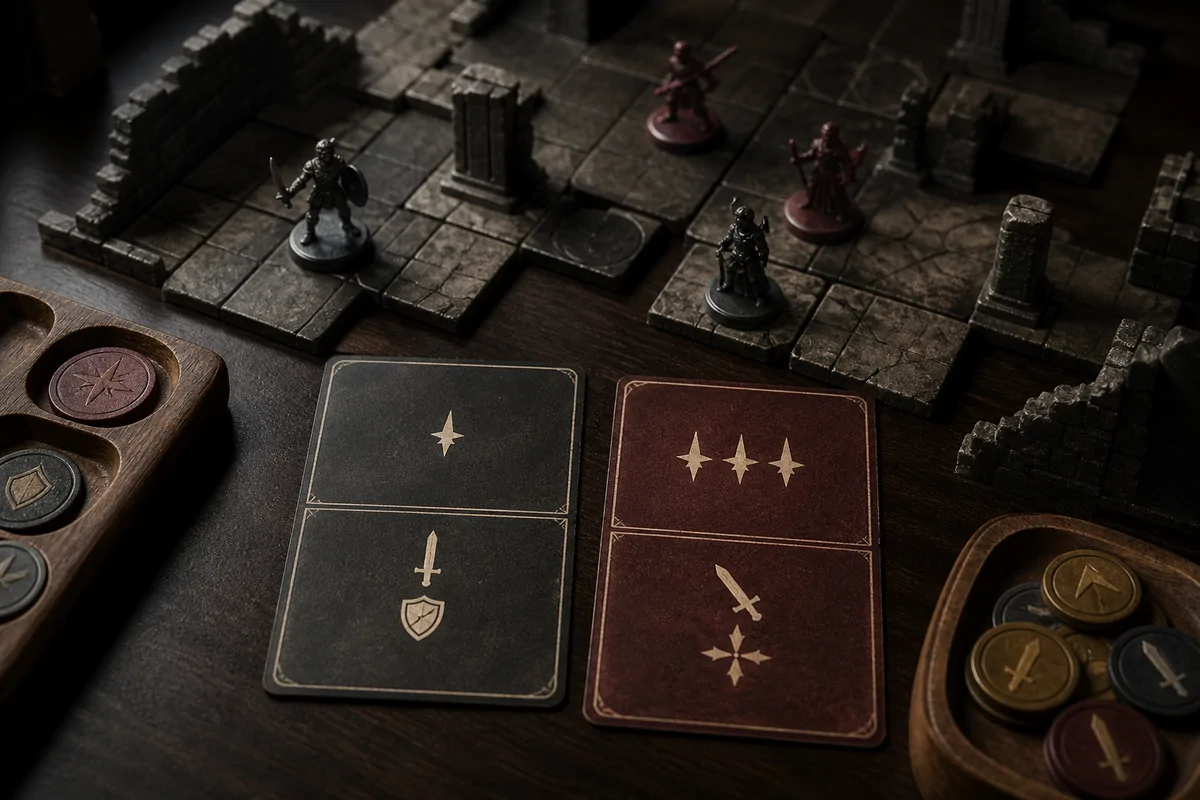
Gloomhaven: Initiative Cards and the Cost of Being Early
Gloomhaven ties action strength to initiative choices, so deciding what to do also decides when a character will face the room.
 Material Culture
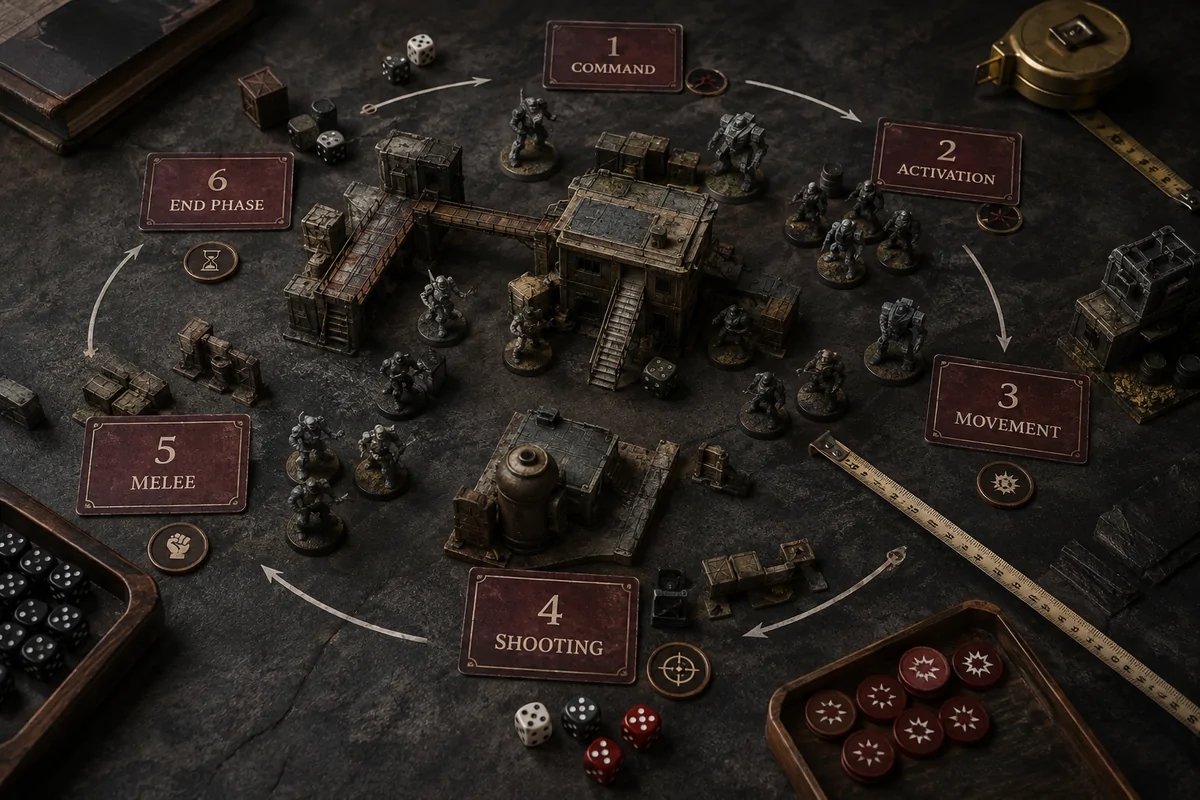
Warhammer 40000: Turn Sequences as a Shared Script
Warhammer 40,000’s phase structure coordinates movement, shooting, and combat across a dense physical table, turning sequence into a shared script.
 Material Culture
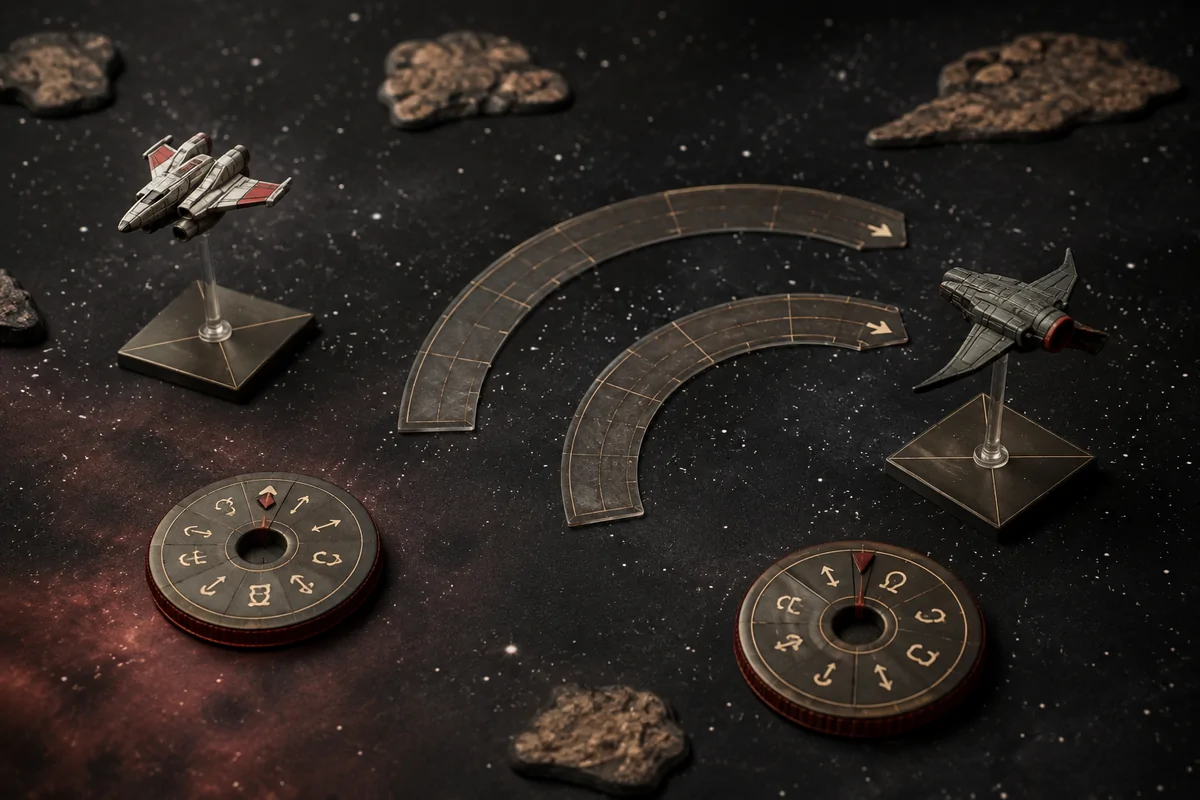
X-Wing: The Maneuver Dial and the Pleasure of Revealed Intent
X-Wing uses hidden maneuver choices and simultaneous reveals to make planning visible at exactly the moment it can no longer be changed.
 Material Culture
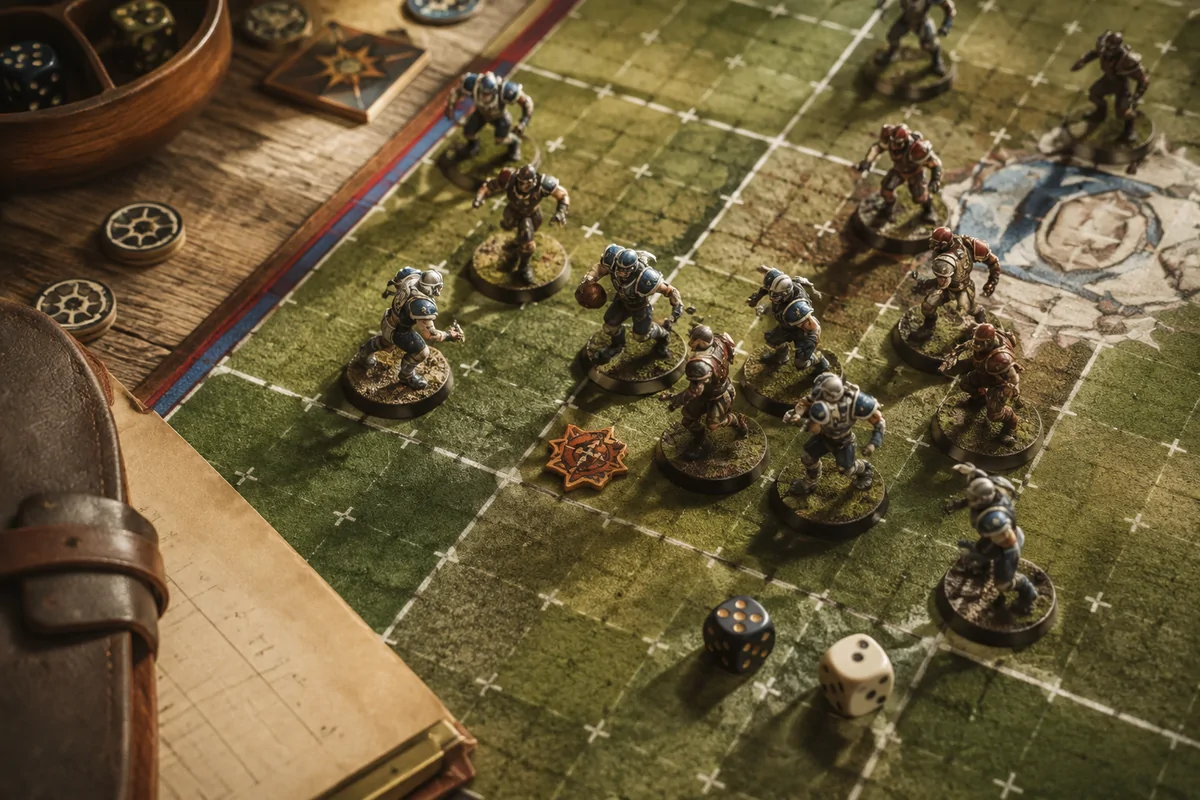
Blood Bowl: The Drive as a Compact Sports Drama
Blood Bowl organizes a match into drives, giving a fantasy sports board game a clear reset point without erasing injuries, positioning, or momentum.
 Material Culture
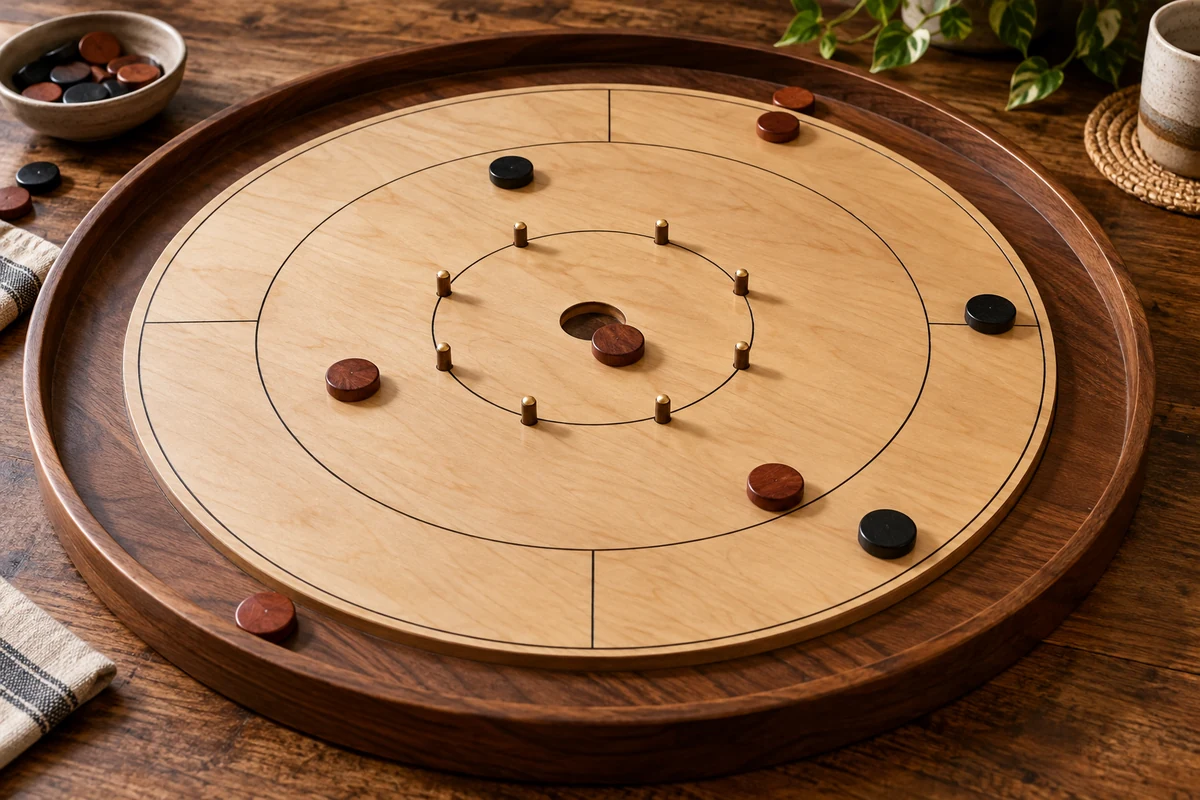
Crokinole: The Board Is a Small Physical World
Crokinole turns a circular wooden surface into a landscape of shot lines, pegs, scoring zones, and physical momentum.
 Material Culture
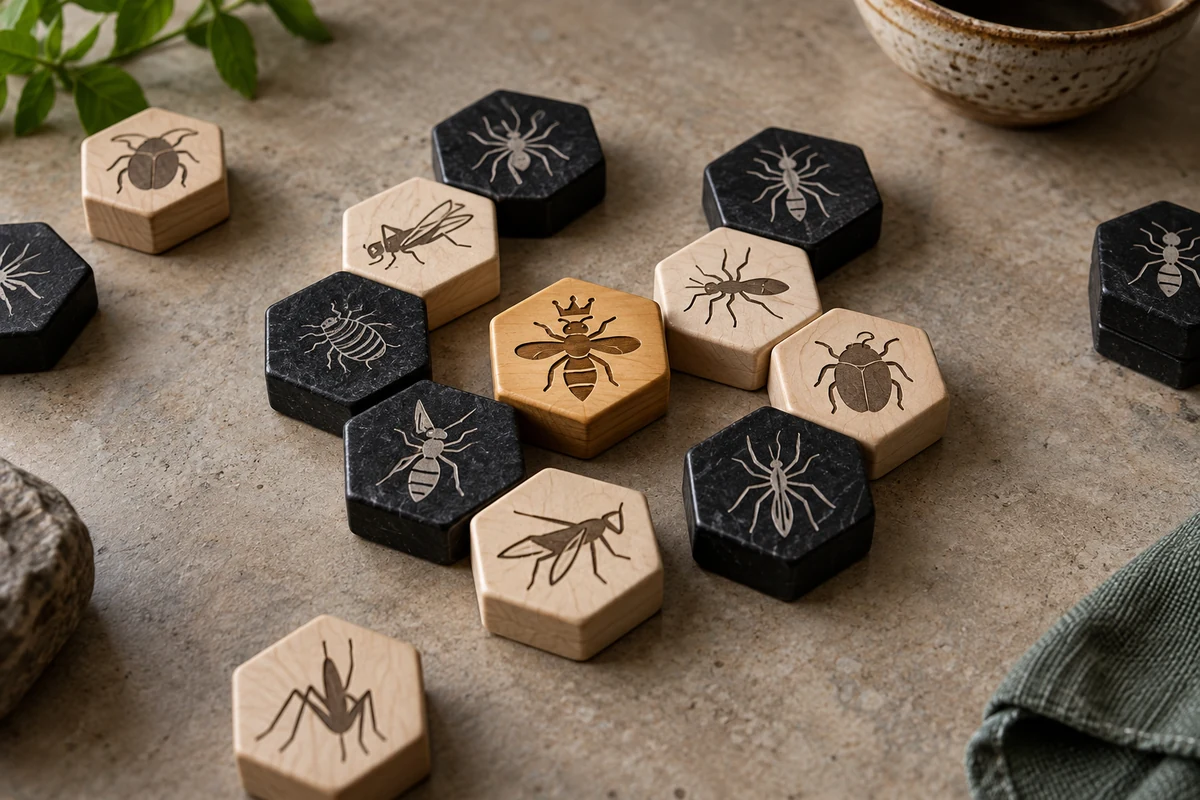
Hive: The Board That Emerges from the Pieces
Hive removes the conventional board and asks players to build a connected insect-shaped field whose changing perimeter defines the legal space.
 Material Culture
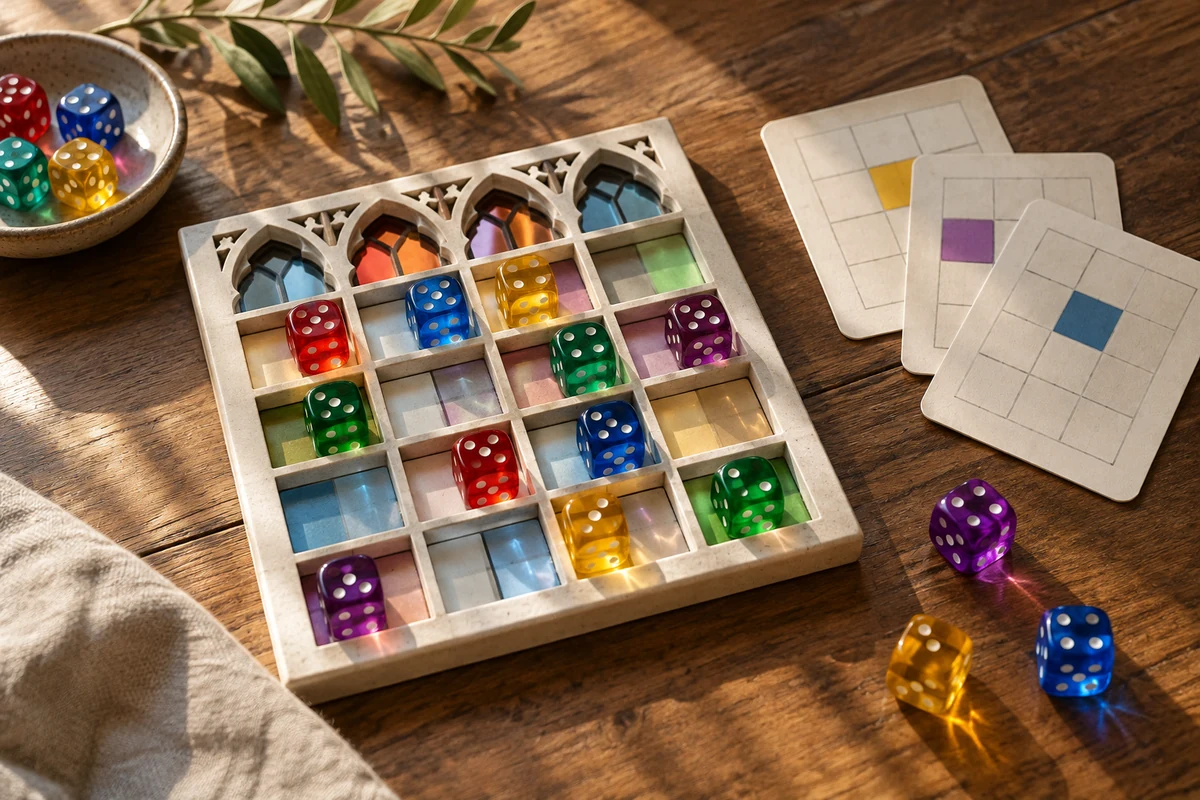
Sagrada: The Window Grid as a Constraint System
Sagrada turns a stained-glass theme into a spatial puzzle where dice color, shade, and placement restrictions meet on a personal window grid.
 Material Culture
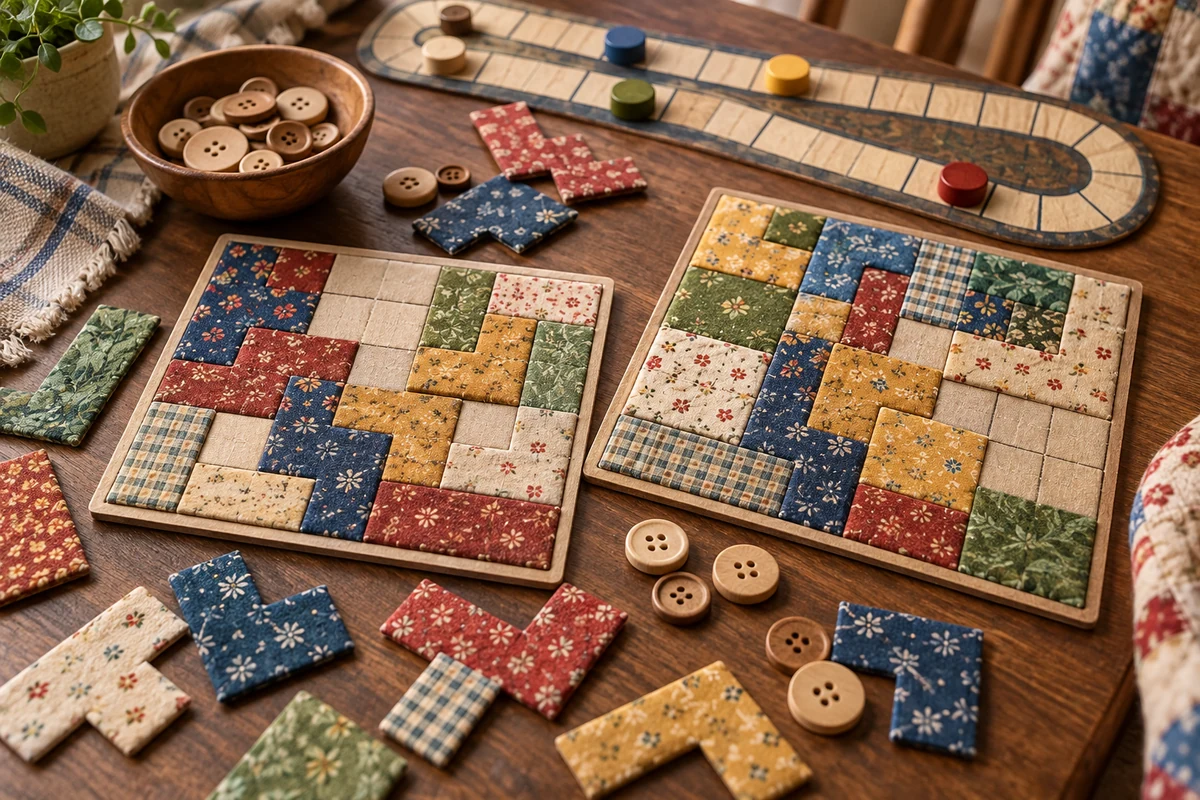
Patchwork: Paying for Space with Time
Patchwork makes a quilt puzzle inseparable from a shared time track, so taking a shape spends buttons and changes who acts next.