Study section
Mechanics Workshop
Close readings of turns, choices, uncertainty, and the rules that make a table legible.
 Mechanics Workshop
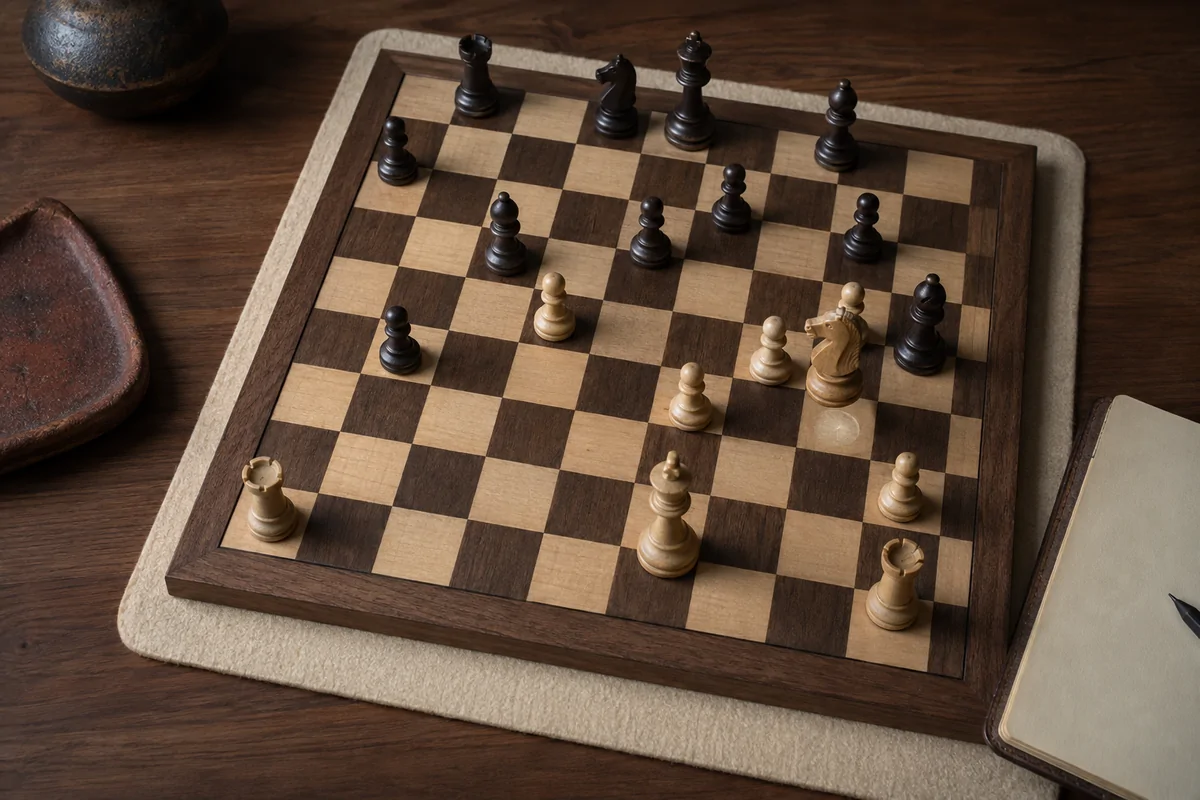
Chess: Why the Legal Move Is a Design Boundary
Chess turns an attack on the king into a tightly specified question: which moves preserve a player’s own position?
 Mechanics Workshop
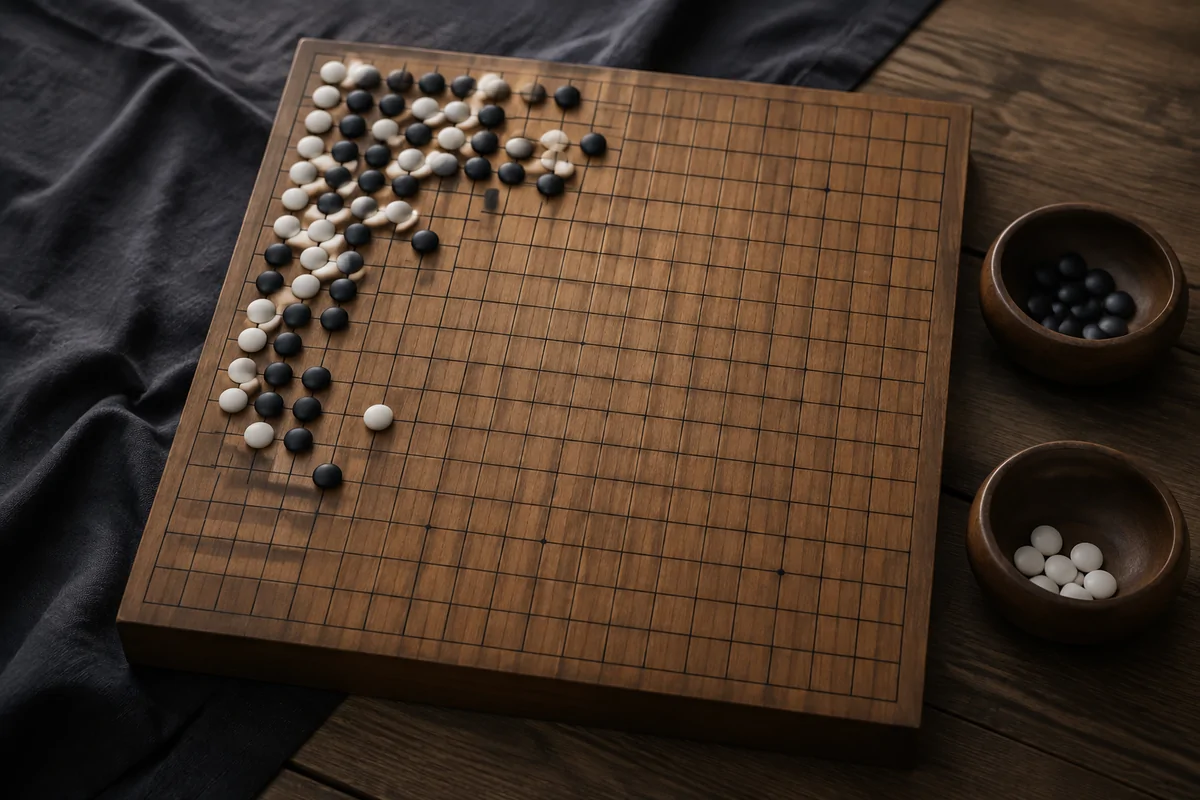
Go: Territory, Shape, and the Value of an Empty Point
Go makes empty intersections meaningful, so shape is not decoration but a way to keep future options alive.
 Mechanics Workshop
Backgammon: The Race, the Blot, and a Board That Remembers Risk
Backgammon gives each roll a public urgency: race home, but leave a blot and the board can send you back.
 Mechanics Workshop
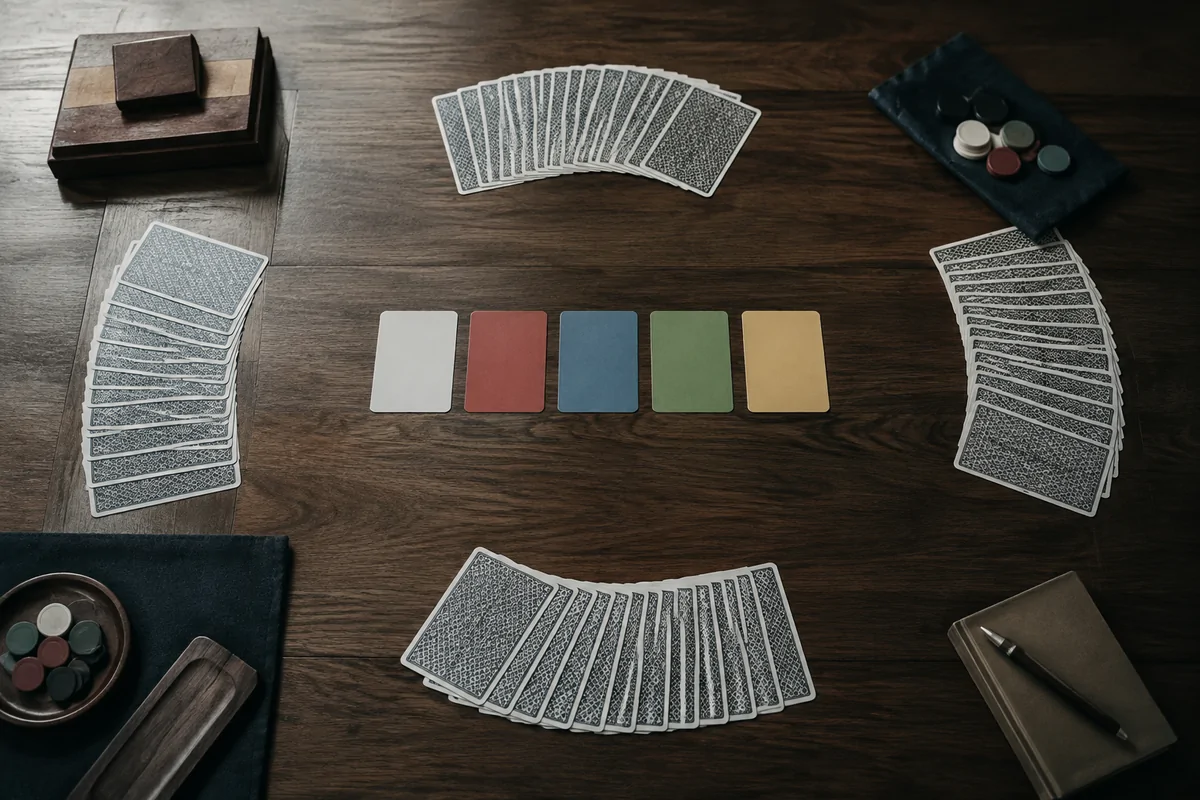
Bridge: The Auction as a Shared Interface
Contract bridge separates a conversation about a hand from the later work of playing it, making the auction a formal interface.
 Mechanics Workshop
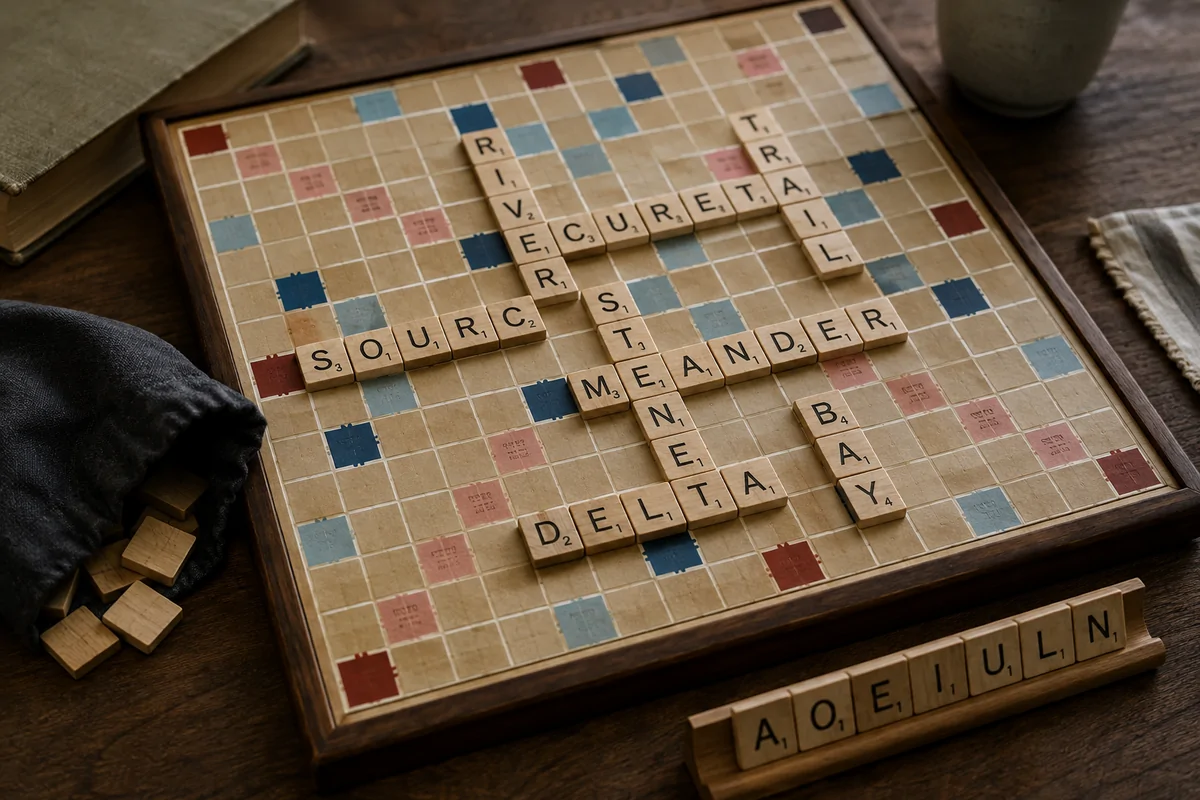
Scrabble: Reading the Board as a Market for Letters
Scrabble’s premium squares turn a word list into a spatial economy, where a placement changes the next player’s vocabulary.
 Mechanics Workshop
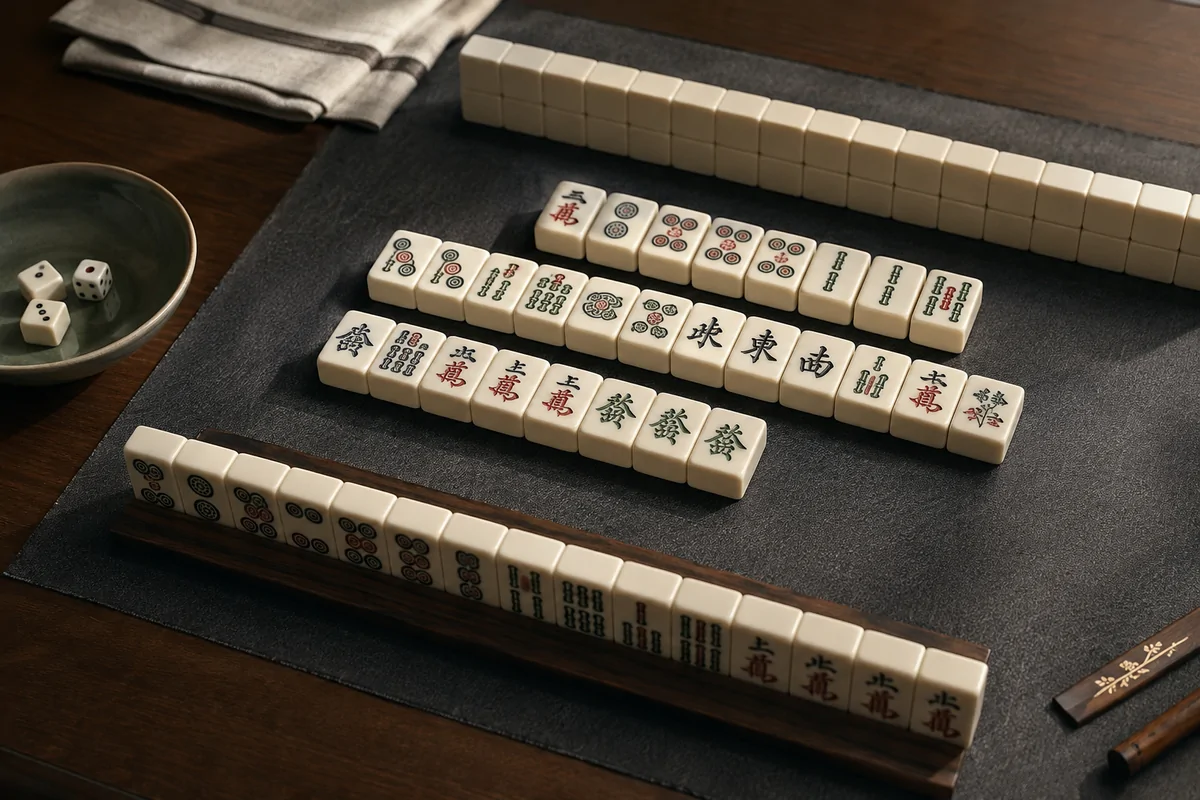
Mahjong: The Visible Wall and the Discipline of Reading Discards
Mahjong asks players to balance a private hand with a public history of discards, calls, and changing probability.
 Mechanics Workshop
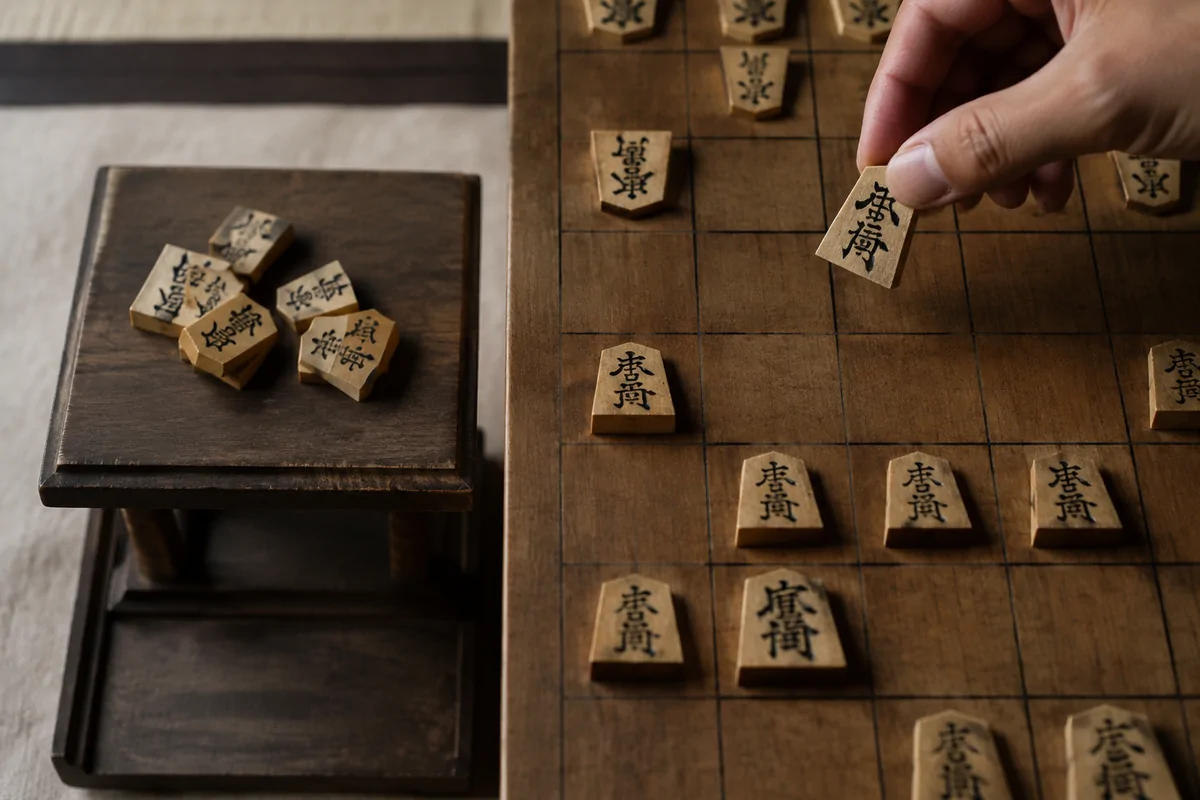
Shogi: Drops and the Return of Captured Pieces
In shogi, captured pieces may return under a new owner, so the board is a changing reserve as well as a battlefield.
 Mechanics Workshop
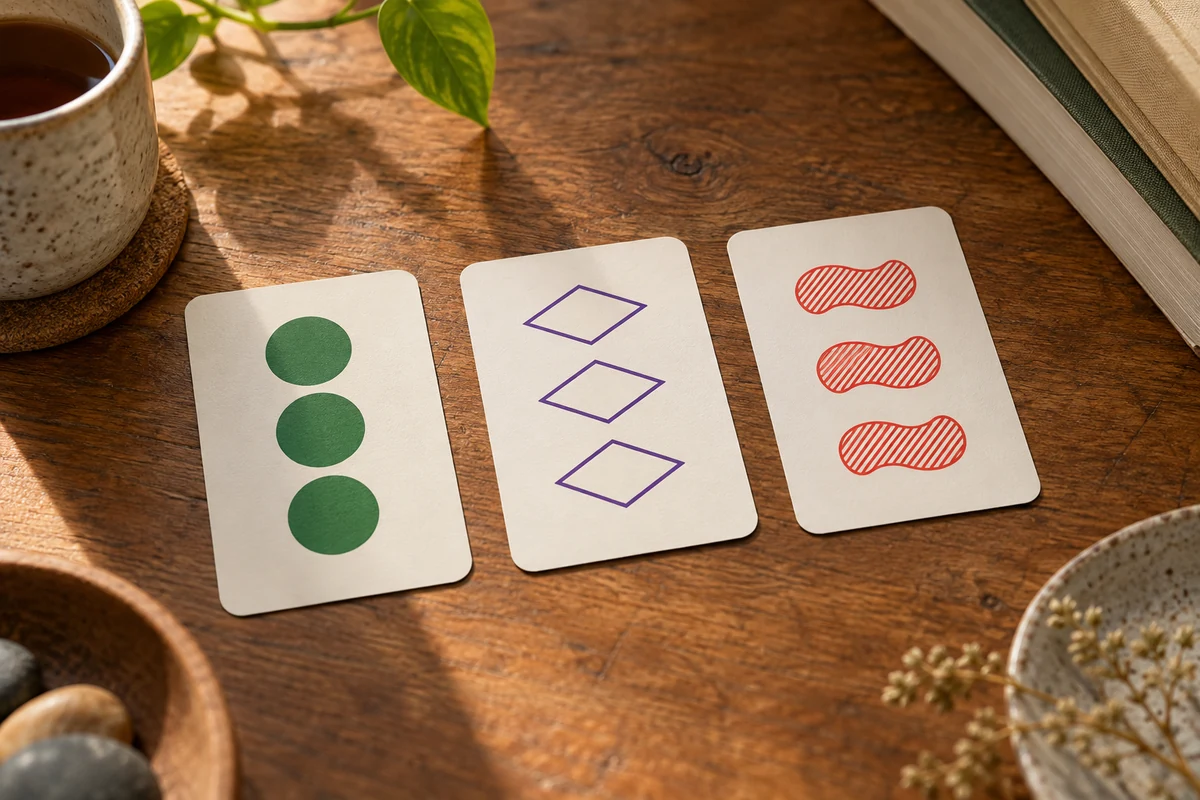
SET: A Pattern With Rules Beneath Its Surface
SET turns visual pattern recognition into a shared race by asking players to test four features independently across groups of three cards.
 Mechanics Workshop
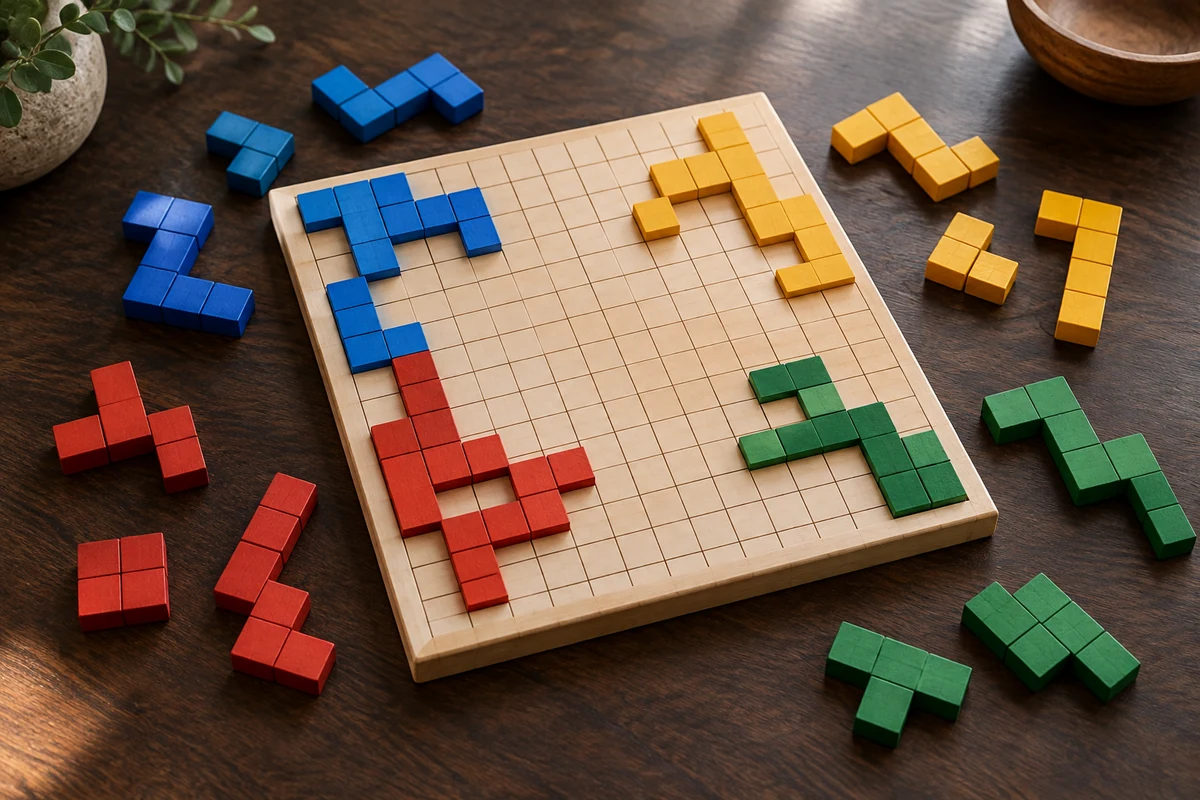
Blokus: The Diagonal Doorway
Blokus makes a corner contact into both a legal connection and a route forward, turning polyomino placement into a contest over access.
 Mechanics Workshop
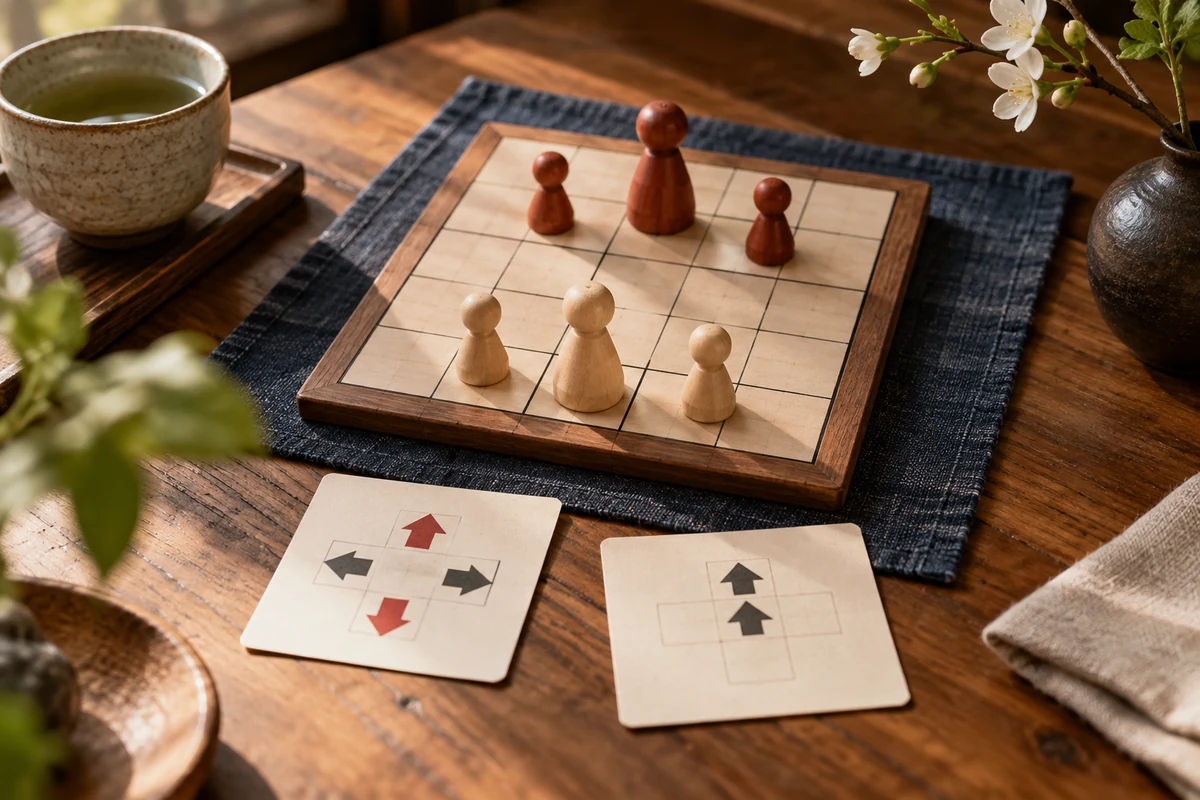
Onitama: A Move Card That Changes Hands
Onitama makes every movement option temporary: using a move card sends it away and gives the opponent access to the move that replaces it.
 Mechanics Workshop
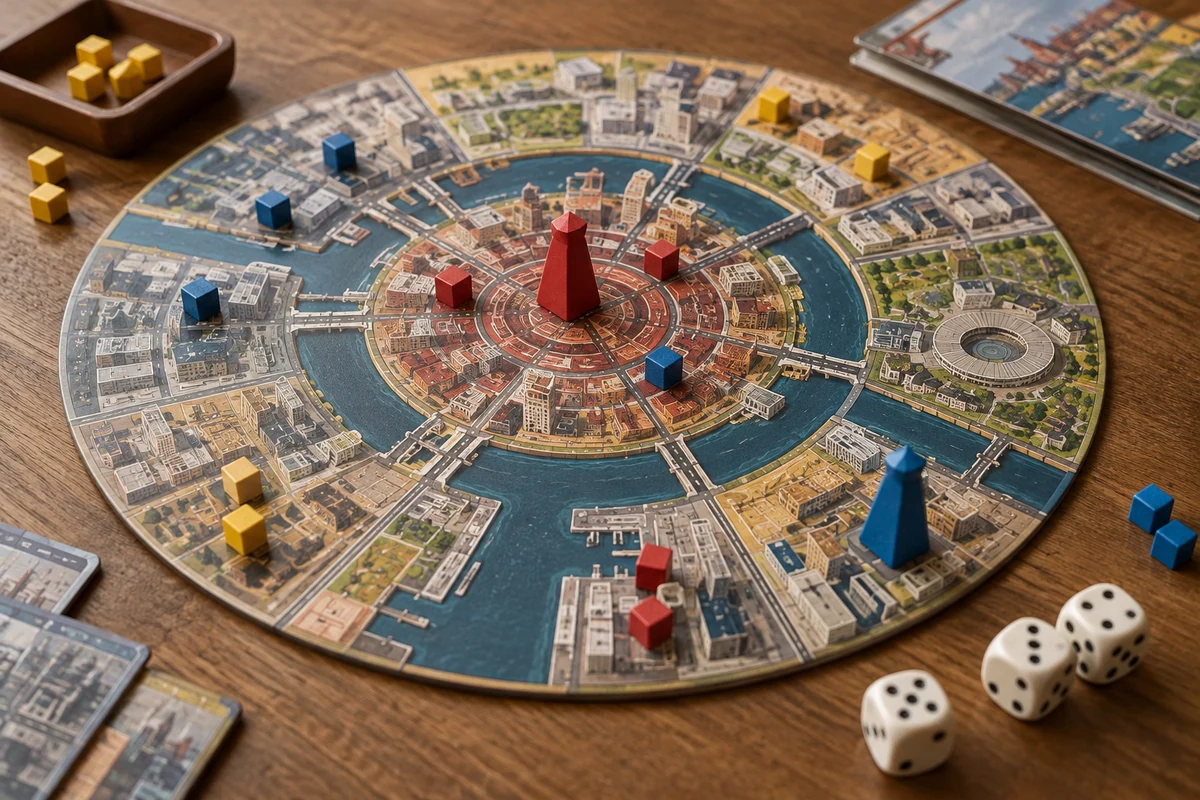
King of Tokyo: When Staying in the City Is a Choice
King of Tokyo makes occupying the city a public commitment that trades a route to victory points for exposure to attacks and limits on healing.
 Mechanics Workshop
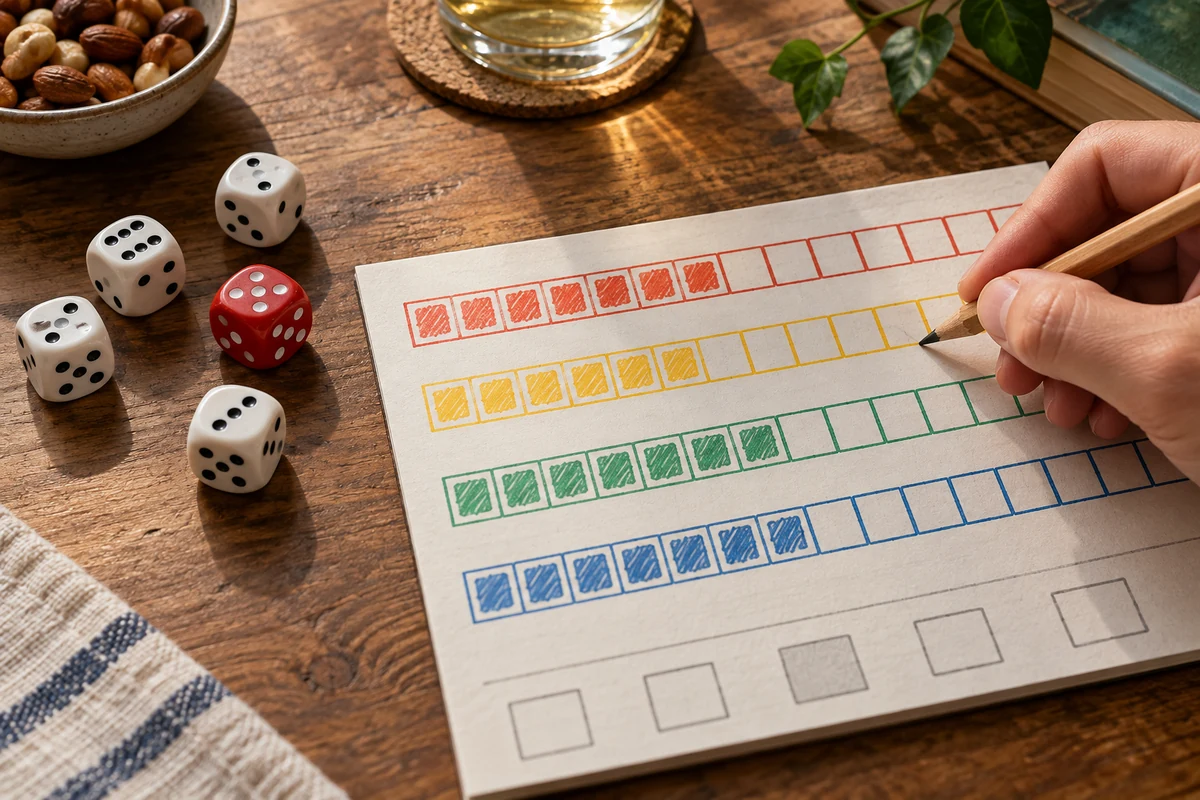
Qwixx: A Score Sheet Shared by Every Turn
Qwixx gives every player a decision during each roll, while a left-to-right score sheet makes skipped opportunities permanently visible.
 Mechanics Workshop
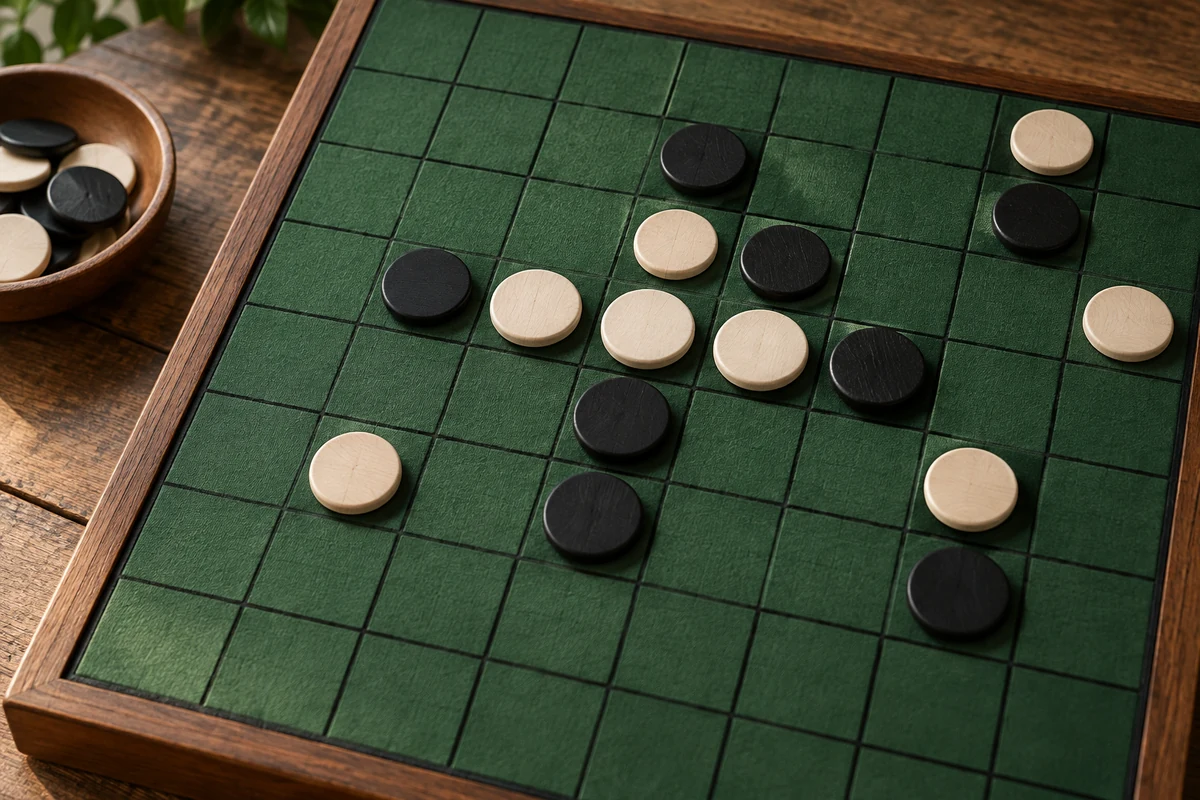
Othello: A Board Where the Majority Comes Last
Othello makes each placement reverse lines of discs, so the board’s visible majority can remain a poor guide to who is winning.